
Australia has a long and proud tradition of resettling migrants. There is a wealth of information available at the Department of Home Affairs website to help new arrivals to our country

Costs of migration
Visa related costs
You will need to pay all costs associated with applying for the Falepili Mobility Pathway (Treaty stream) visa. This includes the ballot registration fee and the Visa Application Charge/s for yourself and each additional person in your application. It also includes other expenses such as any character and health checks, identity and relationship documents you may need.
Make sure to read through the full details of the documentation you need to provide and the requirements for the documents. This information can be found on the Department of Home Affairs website
Predeparture costs
If you have been granted a Falepili Mobility Pathway visa, you are responsible for covering all your predeparture costs, including flights, removalists, and other expenses related to relocating to Australia.
Travel costs
Flight prices vary depending on where in Australia you are flying to. Travel costs will generally be higher for larger families. Flights on some days and different airlines may be cheaper, so it is worth researching this.
Predeparture support sessions
The Falepili Mobility Pathway Support Service (Tuvalu) run free information sessions to help visa holders prepare for your move. These sessions provide:
- guidance on travel and relocation
- practical advice about living in Australia
- information on community and government support services.
Costs on arrival
As with any major relocation, you should expect various expenses when you arrive in Australia. These may include rent and a rental bond for housing, as well as connection fees for utilities like electricity, gas, and water.
It’s important to budget for these costs until you receive your first pay check. If you have secured employment, confirm with your employer when your first payment will be made so you can plan accordingly.
Housing and accommodation
Temporary accomodation
Before you arrive, make sure you have somewhere to stay. The type of accommodation you choose may depend on whether you’re travelling alone or with family.
Temporary accommodation, such as hotels, can be expensive throughout Australia, so it’s important to search carefully to find something that fits your budget. If you have family or friends living near your new job location, staying with them could be a more affordable short-term option.
Renting a house or apartment
If you decide to rent, keep in mind that housing tends to be more expensive in major cities than in regional areas. However, cities and larger regional centres usually offer more housing and employment options. You can search online to get an idea of current rental prices near your new job.
Rental availability can be limited in some areas, and rental costs be high, depending on where you are planning to move to. It’s a good idea to research a few different areas you might like to live in.
When renting, you will need to pay certain costs upfront:
- 2–4 weeks’ rent in advance
- A rental bond, typically equivalent to 4 weeks’ rent
The rental bond is a security deposit you must pay once you sign the lease and before you move in. The rental bond is held by a government agency. You will usually get it back when you move out, provided you haven’t damaged the property or broken your lease agreement.
Each state or territory in Australia has a Tenancy Union or Authority. These organisations don’t find homes for you, but they offer free advice and information on your rights as a tenant:
- NSW: Tenant’s Union of NSW
- Victoria: Tenant’s Victoria
- Queensland: Tenant’s Queensland
- South Australia: RentRight SA
- Northern Territory: Darwin Community Legal Service
- Australian Capital Territory: Legal Aid ACT
- Western Australia: Circle Green Community Legal
- Tasmania: Tenant’s Union of Tasmania
Setting up your new home
Utilities: electricity, gas and water
You will need to pay for electricity, gas and water at your home. These costs depend on how many people live in the house and how much energy and water you use. There are usually connection fees when setting up these services, whether you’re renting or buying a home.
There are many utility service providers in Australia, so it’s worth comparing different plans to find the most affordable option for your needs.
Internet and mobile phone services
If the property you move into doesn’t already have internet, you may need to organise a new connection. Internet contracts typically last between 1–3 years, with monthly bills depending on your usage.
Many companies offer bundled plans for home internet, landline and mobile services, which can help you save money. Research a range of providers to find the package that suits your needs best.
Mobile phone and internet coverage is generally reliable in cities and larger towns, but it may be limited in some regional or remote areas. Regional locations may also have fewer provider options.
Furniture and white goods
If you are not bringing furniture or appliances with you, you may need to purchase items such as a bed, couch, fridge or washing machine. While some long-term rental properties may include basic appliances, this is not common.
You can buy new or second-hand items or borrow from friends or family. There are many options to suit different budgets, including:
- second-hand stores and online marketplaces
- Facebook ‘buy nothing’ groups
- charity shops, known locally as ‘op shops’
- discount retailers
- premium furniture stores.
Transport
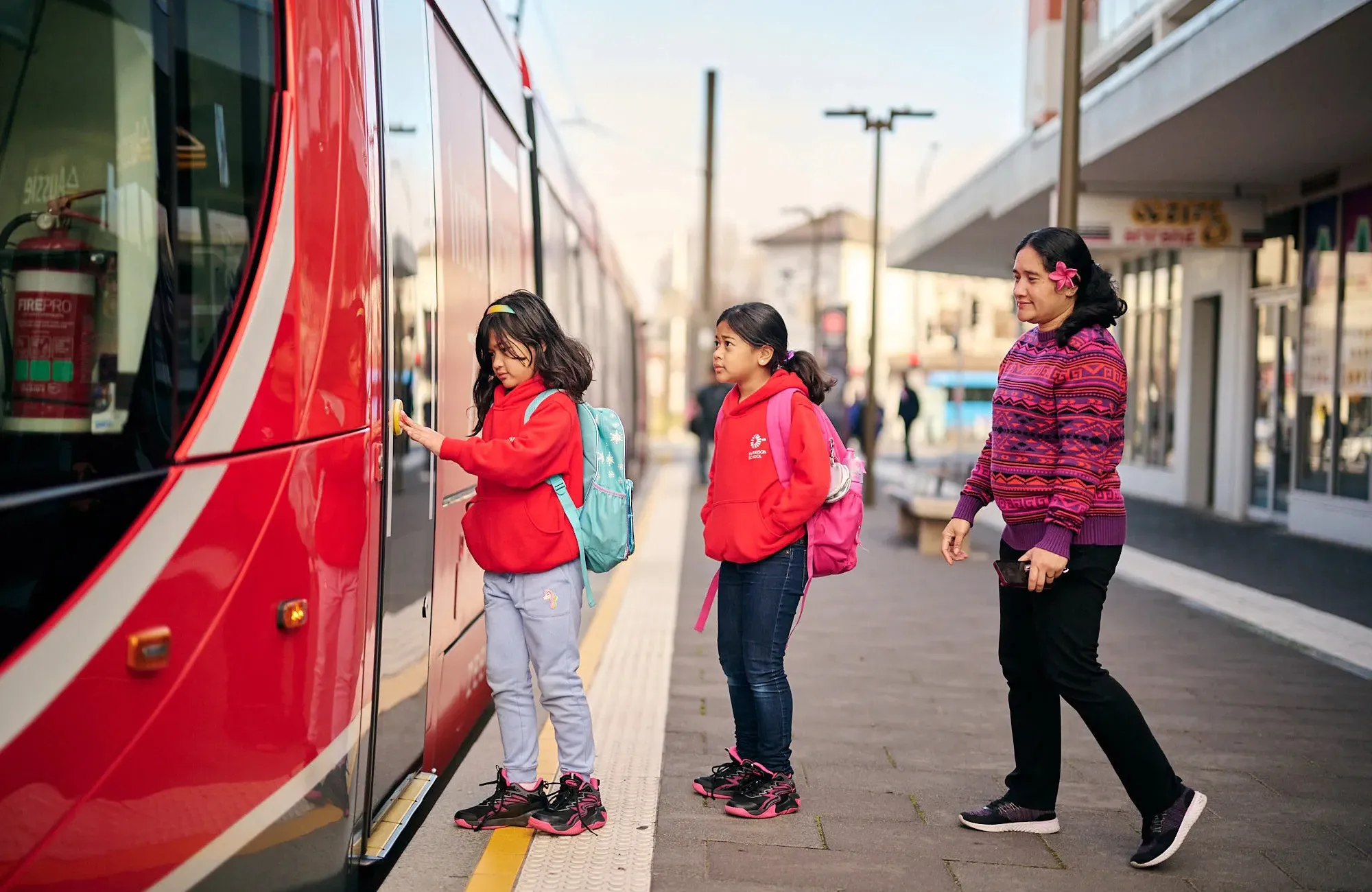
Transport costs will vary depending on where you live and how you choose to get around. In many areas of Australia, cars are the most common form of transport, and most Australians use a car for their daily travel. However, owning a car in Australia can be expensive. You will need to factor in the costs of petrol, insurance, registration, and ongoing maintenance. You will also need to get an Australian driver’s licence.
In cities and larger towns, public transport is generally available and reasonably priced. Services may include buses, trains, trams, and ferries. Public transport is usually reliable in urban areas, but services can become less frequent or unavailable as you move further away from the city centre. In rural and remote regions, public transport options are very limited.
Before deciding where to live, it’s a good idea to research the local public transport options. Each state and territory has its own public transport operator where you can find information about routes, timetables, and fares.
- New South Wales: Transport NSW
- Victoria: Transport Victoria
- Queensland: Translink
- South Australia: Adelaide Metro
- Northern Territory: NT Government
- Australian Capital Territory: Transport Canberra
- Western Australia: TransPerth
- Tasmania: Tasmanian Government


Education for school-aged children
Education in Australia includes early childhood education, primary school, secondary school, followed by tertiary education (such as university and vocational training). School is compulsory from 6 – 16 years in most states and territories, however children generally start school at 5 years and continue until around 18.
The state and territory governments are responsible for providing schooling to all school-age children.
- NSW: Schooling
- Victoria: School | vic.gov.au
- Queensland: Education
- South Australia: Department for Education
- Northern Territory: Education in the NT
- Australian Capital Territory: Find a school and enrol
- Western Australia: Education in WA
- Tasmania: Find your local school
Early childhood education and care
Early childhood education and care is available for those families needing childcare. It is not compulsory and is delivered by approved providers and services who charge daily fees. These fees can vary and the Australia Government subsidises the cost of care for eligible parents through the Child Care Subsidy (CCS).
There are four care service types eligible for CCS:
- Centre Based Day Care
- Family Day Care
- Outside School Hours Care
- In Home Care
Public schools
Most schools in Australia are public schools, funded and operated by state and territory governments.
Each area in Australia has what is known as a school “catchment” or “enrolment” zone. Your child has guaranteed access to the public school in your local area, based on your residential address.
Education at public schools is free for Australian citizens and permanent residents. While schools may invite parents to make voluntary contributions to help support school programs, these contributions are optional. Your child cannot be denied access to education if you choose not to make these payments.Independent schools
Australia also has a large independent school sector, which includes religious and independent (or private) schools. These schools charge fees, which can range from around AU$1,000 to AU$50,000 per year, depending on the school.
Uniforms and equipment
Regardless of the type of school your child attends, there will be additional costs for things like school uniforms, stationery, textbooks, excursions and other learning materials.
Most public schools try to keep uniforms affordable and often allow you to purchase some items at regular department stores. Religious and independent schools may have more expensive uniforms that must be bought directly from the school or a specific retailer.
Many schools – public and private – also run second-hand uniform shops, and you may be able to purchase used books and other items to reduce costs.
If your child is in upper primary and secondary school, they may also need a computer or laptop. In some states and territories, public schools provide students with a government-funded device, while in others, you may need to purchase one for your child.